
In the fast-paced world of data centers, efficiency, reliability, and sustainability are paramount. As data centers continue to expand to meet growing demands, managing heat and energy consumption becomes increasingly challenging. This is where containment solutions play a crucial role.
Containment solutions are designed to optimize the cooling efficiency of data centers by segregating hot and cold air streams. By preventing the mixing of hot and cold air, these systems not only reduce energy consumption but also enhance the performance and longevity of equipment.
Why Containment Solutions Matter:

Energy Efficiency
By isolating hot and cold air, containment solutions significantly reduce the energy required for cooling, leading to lower operational costs.
Enhanced Performance
Stable and optimized cooling environments reduce thermal stress on servers and other critical equipment, enhancing their performance and lifespan.

Scalability Flexible
Whether you operate a small data center or a large-scale facility, containment solutions can be tailored to your specific needs, ensuring flexibility and scalability.

Environmental Impact
With growing concerns about the environmental footprint of data centers, containment solutions contribute to sustainability efforts by reducing energy consumption and greenhouse gas emissions.
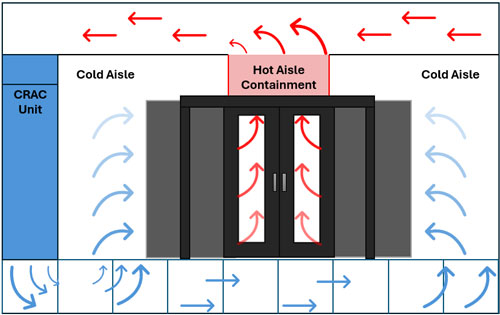
Hot Aisle Containment (HAC)
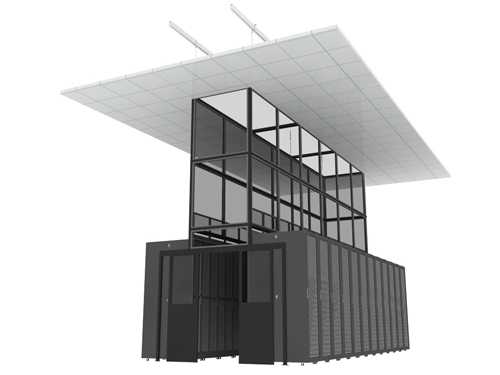
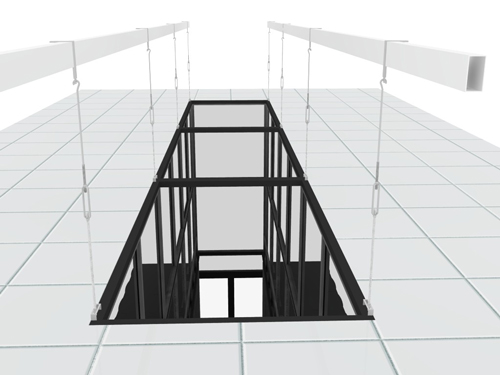
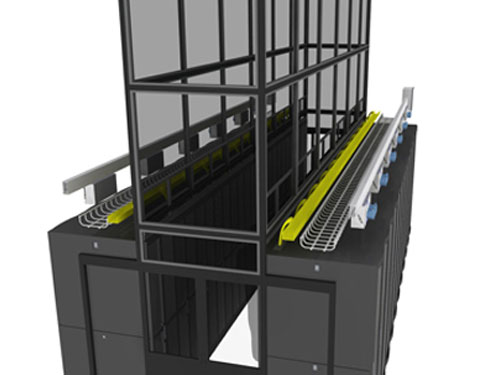
Hot Aisle Containment (HAC) focuses on enclosing the hot aisle, the area where the hot air exhaust from servers is concentrated. By isolating this hot air, HAC prevents it from mixing with the cold air in the rest of the data center. This strategy directs the hot air back to the cooling units more efficiently, ensuring that only cool air is used for server intake.
Key Features:
Enclosures: The hot aisle is typically enclosed by doors at each end and a roof or ceiling panels above, forming a contained space.
Airflow Control: Hot air is channeled directly to the cooling units, reducing the workload on the cooling system.
Flexibility: HAC can be implemented in both new data centers and retrofitted into existing ones.
Advantages:
Energy Efficiency: HAC allows cooling units to operate at higher temperatures, which can significantly reduce energy consumption.
Enhanced Cooling Efficiency: By containing the hot air, the cooling units can more effectively remove heat, maintaining consistent temperatures across the data center.
Reduced Hot Spots: HAC minimizes the risk of hot spots by ensuring that hot air is properly managed and directed.
Applications:
Large Data Centers: Particularly beneficial in large facilities where heat management is a major concern.
High-Density Environments: Ideal for data centers with high-density server racks that generate substantial heat.
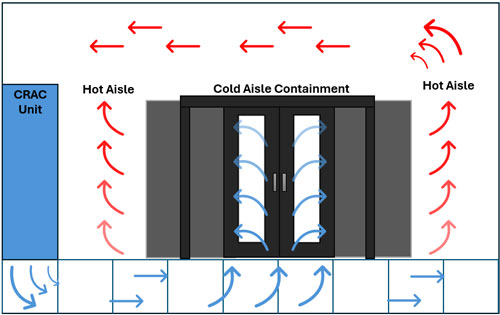
Cold Aisle Containment (CAC)
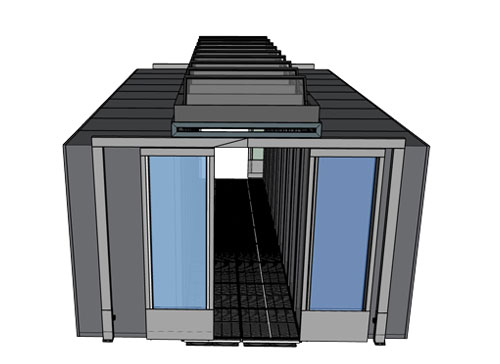
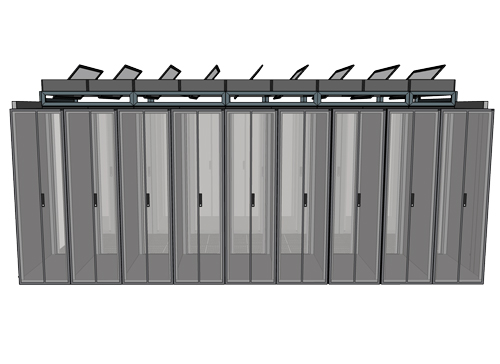
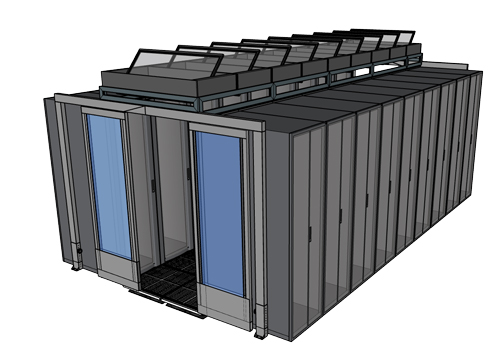
Cold Aisle Containment (CAC) focuses on enclosing the cold aisle, the area where the cooling air is delivered to the servers. This method ensures that the cold air is directed exclusively into the server intakes, preventing it from mixing with the hot exhaust air in the data center. By containing the cold air, CAC improves the efficiency of the cooling process.
Key Features:
Enclosures: The cold aisle is typically enclosed by doors at the ends and a roof or ceiling panels, similar to HAC.
Targeted Cooling: Cold air is concentrated in the areas where it’s most needed, directly at the server inlets.
Scalability: CAC systems can be easily expanded as the data center grows.
Advantages:
Improved Cooling Efficiency: CAC ensures that cold air is used effectively, reducing the amount of cold air required and lowering energy costs.
Consistent Temperatures: By preventing cold air from mixing with hot air, CAC helps maintain stable temperatures within the cold aisle.
Enhanced Equipment Performance: With better temperature control, servers operate more efficiently and reliably.
Applications:
Small to Medium Data Centers: Often preferred in smaller facilities where the layout allows for effective cold air containment.
Mixed Density Environments: Suitable for data centers with varying densities, where specific areas require targeted cooling.
Components
The effectiveness of a containment system in a data center largely depends on the quality and compatibility of its individual components. Each element plays a crucial role in ensuring that the system operates efficiently, providing the necessary separation between hot and cold air.
Solution Component
- Swing Door (Single, Dual)
- Slide Door (Single, Dual)
- Overhead Vertical Panel
- Vertical Cabinet Filler Panel
- Ceiling Suspended Overhead Panel
- Roof Panel
- Bottom panel
- Accessories
Material Specification
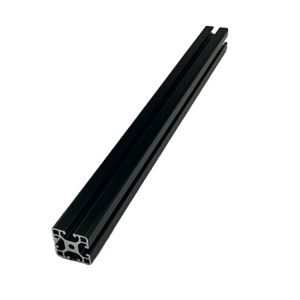
Frame : Aluminum profile with powder coated (Black color standard or another color option customize)
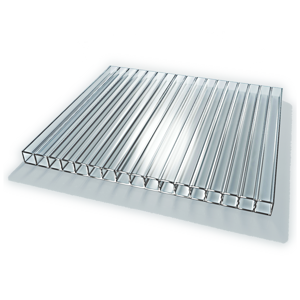
Door : Aluminum profile with powder coated with Polycarbonate clear sheet (Option : Tempered glass or acrylic sheet)
Vertical, Horizontal, Ceiling suspended Overhead & Roof panel : Polycarbonate clear sheet
Frame thickness : Aluminum profile 2.0 mm. (Aluminum extrusion)
Panel : Aluminum thickness 2 mm. with polycarbonate thickness 6 mm. in standard (Option : thickness 8, 10 mm.)
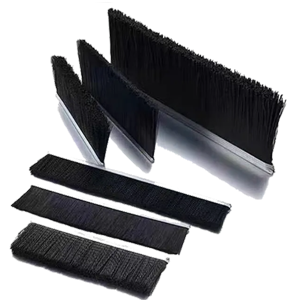
Seal brush strip : Nylon material high 10 mm. (or by request)
Manual Sliding Door Closer or Automatic slide door closer
(Option : Automatic slide door closer operation) by Self-Closing sliding rail design feature for long service life.
(Option : Clear polycarbonate fire-resistant standard UL94-HB or ASTM)

Accessories Special Optional
- Extend Rack Kit
- CFD Air flow simulation report
- LED Lighting strip, Alarm Light & Buzzer
- Access Control Security and CCTV System
- Lighting (Manual or Automatic Control Option)
- Key Rack lock (Digi Lock or Mechatronic Locks)
- Rack PDU, C13/C14, C19/C20 power cord color
- Automatic Motion Door Sensor (Automatic Open & Close)
- Blanking Panels or Height Adapters, Under Rack Blanking Panel
- Status signal for Monitoring System (Door closed/opened, Roof closed/opened)

E-Book Containment Solutions
As data centers continue to expand to meet growing demands, managing heat and energy consumption becomes increasingly challenging.